Southeast Asia — island city-state
Singapore
A city that is also a country, which means the planning is unusually deliberate and the rules are unusually well documented. Singapore is easy to arrive in and expensive to settle in, and almost everyone finds the climate a bigger adjustment than they expected.
The island and how it is organised
Singapore occupies a main island and a scattering of smaller ones at the southern tip of the Malay Peninsula, linked to Malaysia by two causeways. Because the whole territory is one jurisdiction, there is no distinction between city and national government, and land use is planned centrally. That shows: districts have clear characters, green corridors are deliberate, and reclaimed land along the southern shore carries the newest development.
The practical consequence for a newcomer is that almost every question has a documented answer somewhere on a government site. Housing, schooling, healthcare, work passes and transport are all described in detail by the responsible ministry, which makes research far more reliable here than in most places. The Ministry of Manpower publishes the framework for work passes at mom.gov.sg, and general services are gathered at gov.sg.
Where people live
Housing divides broadly between public housing — the flats that most citizens live in, built and managed by the state — and private condominiums and landed houses. Access to public housing for foreign residents is restricted and depends on status, so most arrivals from abroad end up in condominiums, which typically come with shared facilities, or in older private apartments and shophouse conversions.
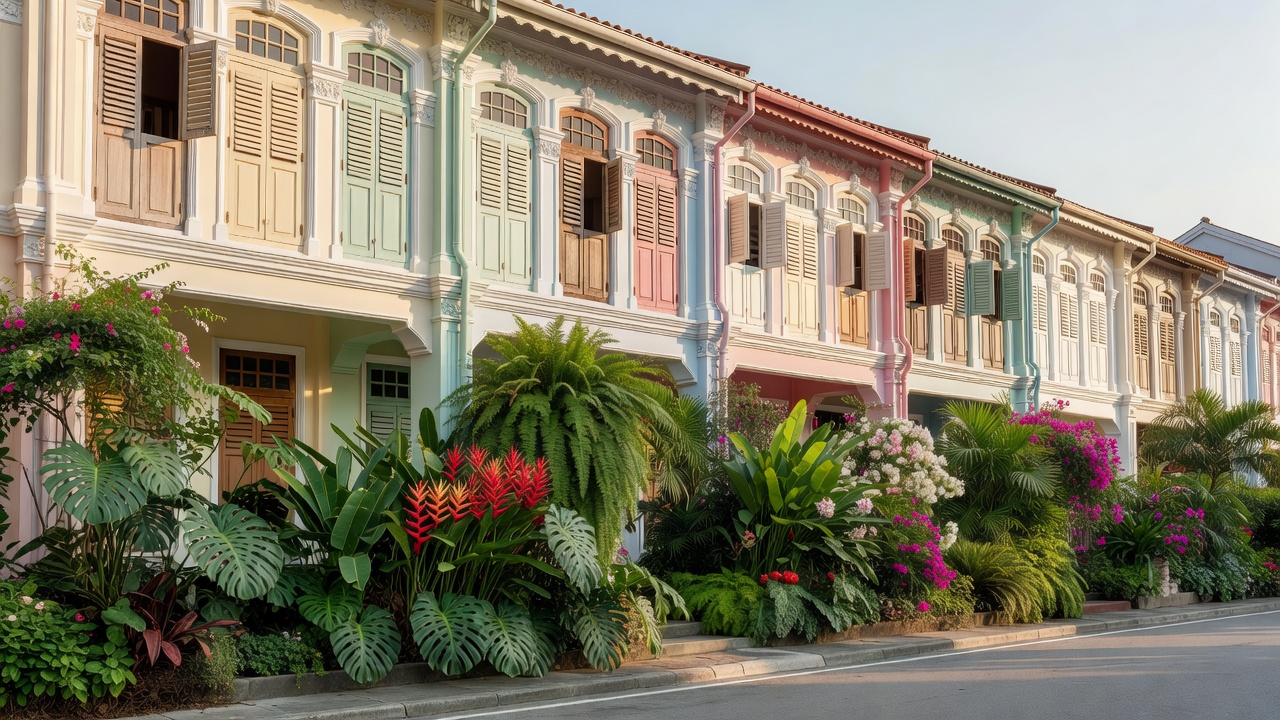
Neighbourhood character varies more than the skyline suggests. Tiong Bahru is low-rise and walkable, with pre-war blocks and a strong food scene. Katong and Joo Chiat carry Peranakan shophouse architecture and a slower, more residential feel out towards the east coast. Holland Village and Bukit Timah are long-standing choices for families, with international schools nearby and more greenery. Tanjong Pagar and the central business district suit people who want to walk to work and don't need space. The east, near the airport, is popular with frequent travellers; the west and north are quieter and generally better value.
Housing is the dominant cost in almost every budget here, and it sits in the premium band whichever way you approach it. The main levers are distance from the centre, building age and whether you need facilities you will actually use.
Getting around
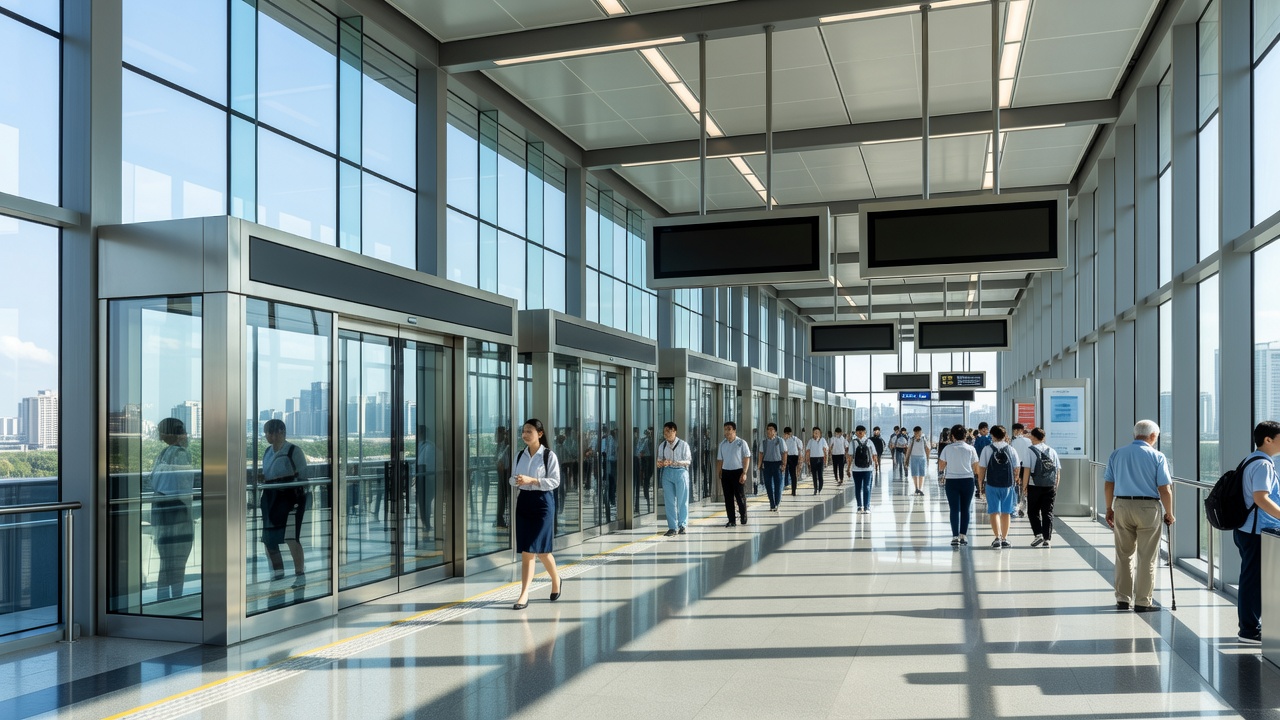
The MRT network reaches most of the island and connects to a dense bus system on one fare card. Taxis and ride-hailing are plentiful. Private car ownership is deliberately constrained by policy and is one of the most expensive elements of life here, so the sensible default for most arrivals is to plan life around the rail network and treat cars as occasional hires.
Cycling and walking are pleasant early and late in the day and hard work in the middle of it. The island's park connector network links green spaces across long distances, and the coastal paths in the east are genuinely good. Changi Airport's connectivity across Asia is one of the practical advantages of basing yourself here.
Climate, health and schooling
The climate is equatorial: hot and humid all year, with heavy rain that arrives quickly and clears quickly. There is no cool season to look forward to, which is a bigger psychological adjustment than the temperature itself. Buildings are heavily air-conditioned, so most people carry a layer for indoors — an oddity that stops being funny by the second week.
Healthcare combines public and private provision with a structured system of savings and insurance for residents; foreign residents usually hold employer-provided or private cover. Schooling divides between the national system and a substantial international sector, and places at popular international schools are competitive, so families generally start that process well before the move. Both areas depend on your residency status and current policy, so check the official ministry pages rather than relying on summaries.
The trade-offs
- Cost of housing and cars. The two big line items, and both are structural rather than temporary.
- Space. Land is finite and it shows in flat sizes. People arriving from suburban houses feel it most.
- Weather with no seasons. Comfortable if you like heat; wearing if you need a change of light through the year.
- Distance from home. Excellent flight connections, but long-haul distance from Europe and the Americas is a real factor for family life.
- Rules matter. Regulations are clearly published and enforced. That is a comfort if you like predictability and a constraint if you don't.
Who Singapore tends to suit
People who value reliability, safety and efficiency, who are moving for a specific role, and who want a base with strong regional connections. It works particularly well for families who want documented schooling and healthcare options and are prepared for the cost. It works less well for people who want a lot of space cheaply, who dislike heat and humidity, or who prefer a city where the edges are looser and the rules more improvised.