Germany — north-east
Berlin
A capital that grew by absorbing towns rather than by stacking floors, so it is wide, green and low. Berlin is generous with space and stubborn about process — and both of those facts shape daily life more than anything else about it.
How the city is put together
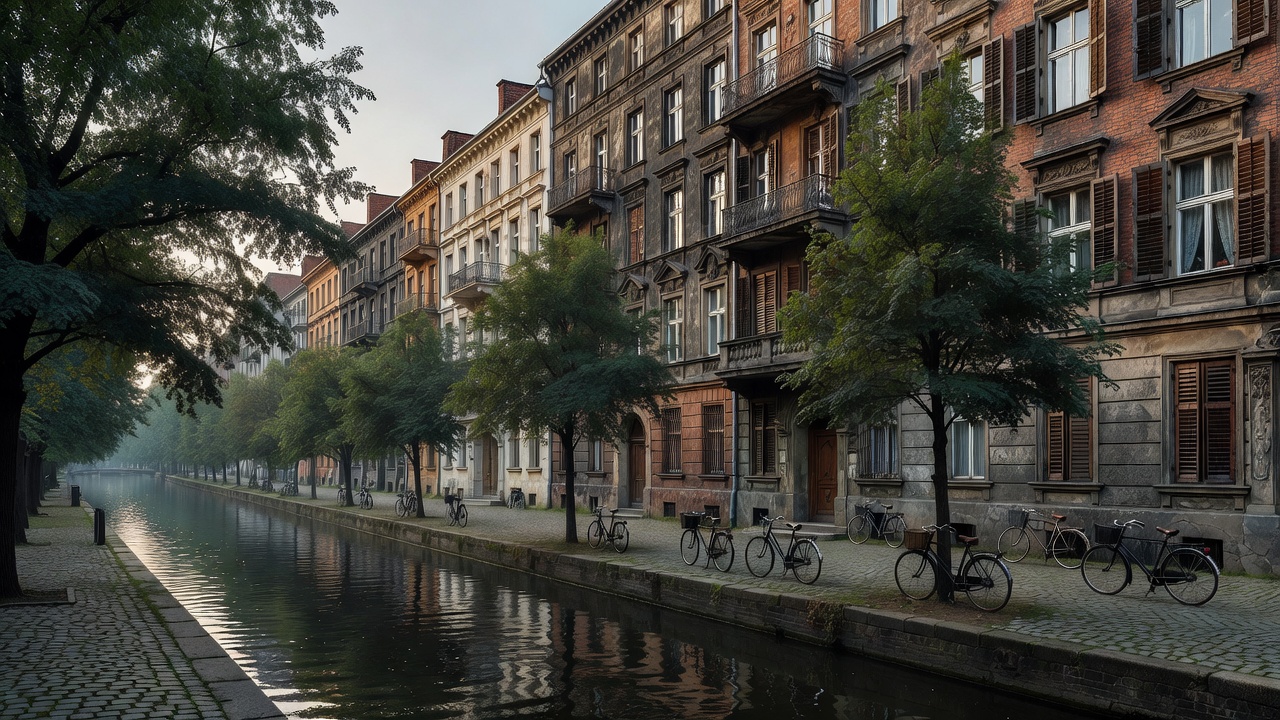
Berlin is flat, spread across sandy ground on the Spree and Havel, and organised into boroughs that each behave like a town. There is no single downtown in the way Paris or London has one; there are several centres, and the S-Bahn ring drawn around the inner districts is the mental map most residents actually use. Inside the ring, life is dense, well-served and popular. Outside it, flats are larger, streets are quieter and you trade twenty minutes of travel for a good deal of space.
The city is also unusually green. Forests, lakes and the enormous former airfield at Tempelhofer Feld sit inside the city boundary, and the lakes to the south-west and east are reachable on a normal transport ticket. For anyone arriving from a denser capital, this is the thing that lands hardest in the first summer: the water is genuinely part of ordinary life here.
Boroughs newcomers ask about
Kreuzberg and Neukölln draw people who want nightlife, food and a dense international mix; both have long since stopped being cheap and both are noisy in a way that some love and others cannot sleep through. Prenzlauer Berg is the family answer — cobbled streets, playgrounds, cafés — and is priced as the family answer. Charlottenburg and Wilmersdorf in the west are calmer, more traditional, with better shopping streets and a slower rhythm. Friedrichshain leans young and studenty. Moabit, Wedding and the districts along the northern ring are where people go when they want inner-city access without inner-city competition.
The apartment search is the hardest part of moving to Berlin and it deserves to be said plainly. Viewings are competitive, applications ask for a lot of documentation, and long-term contracts are guarded closely. Most people we know arrived into a sublet and searched from inside the city, which is slower but far more realistic than trying to sign a permanent lease from abroad.
Registration and the appointment culture
Germany runs on residence registration: once you have an address, you register it with a local citizens' office and receive a confirmation document that unlocks nearly everything else — tax identification, bank services, a phone contract, health insurance enrolment. Appointments are booked online through the city's service portal, and demand for slots is a well-known bottleneck. Book early, be flexible about which office you travel to, and bring originals of everything.
Health cover in Germany is mandatory and splits broadly between the statutory system and private insurance, with eligibility depending on your employment status and income. This is the part where general advice is worthless, because the right answer differs by individual and the rules change. Start at the city's own service directory, service.berlin.de, and speak to an independent adviser before committing, since moving between the two systems later is not always straightforward.
Getting around
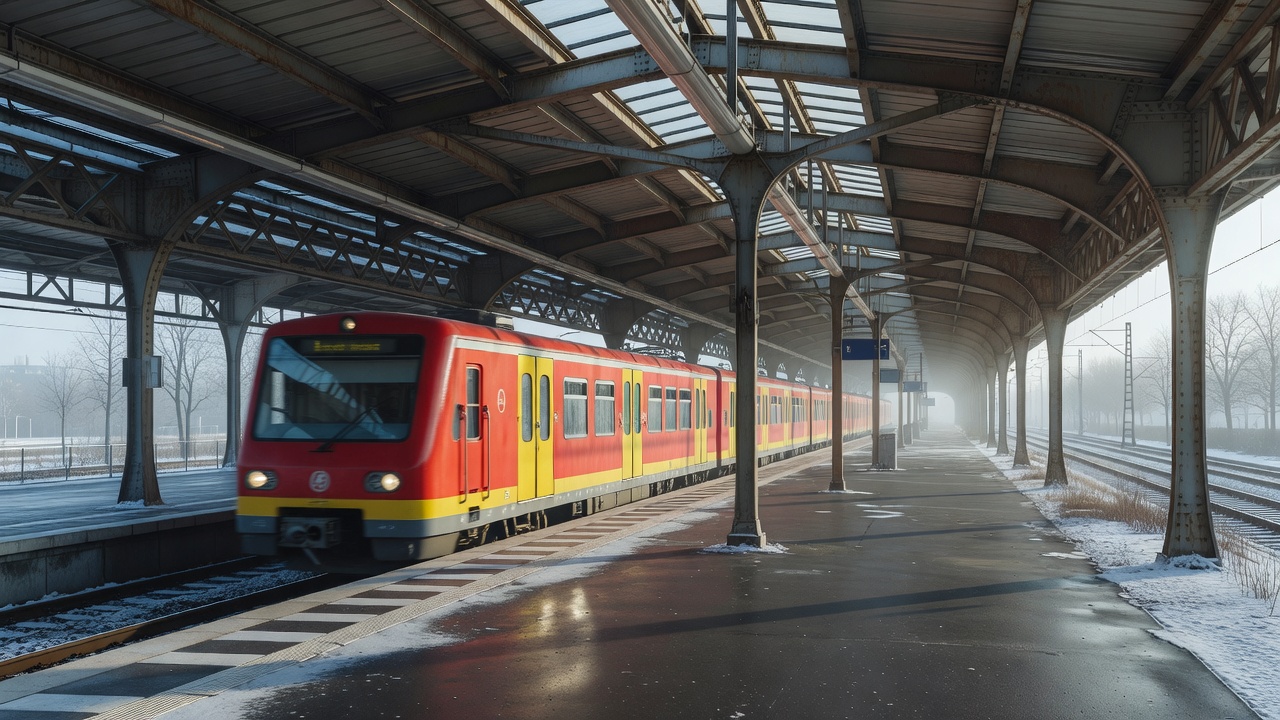
The U-Bahn, S-Bahn, trams and buses run under a single fare system, and between them they reach almost everywhere worth reaching. Trams are concentrated in the east, a legacy of the divided decades that still shows on the network map. Cycling is mainstream rather than sporty — the city is flat, distances are long but manageable, and separated lanes have expanded steadily. Car ownership is common in the outer boroughs and often more trouble than it is worth inside the ring.
Regional trains put a lot of Brandenburg, and the Baltic coast, within a comfortable day's reach, and the city's rail connections to the rest of Germany and central Europe are strong. If you travel by train rather than plane, Berlin is one of the easier bases in Europe.
The trade-offs
- Winter light. The cold is manageable; the short, grey afternoons from November onwards are the part that grinds. People who thrive here usually have a winter plan — sport, sauna, a hobby that happens indoors.
- Paperwork in German. Much of daily life runs in English, but official correspondence and contracts do not. Budget for translation or for lessons, and read anything you sign carefully.
- Housing competition. Consistently the biggest source of stress for arrivals, and it does not resolve quickly.
- Cash and analogue habits. Card acceptance has broadened but is still patchier than in many comparable cities, and some administrative processes remain resolutely paper-based.
- Noise and construction. A city rebuilding itself constantly is a city with scaffolding on your street at some point.
Who Berlin tends to suit
People who want space, culture and a strong public transport network, and who are willing to trade sunshine and speed of admin for it. It suits freelancers, researchers, musicians, designers and anyone whose work benefits from being near a lot of other people doing similar things. It suits families who want green space and playgrounds within walking distance. It suits less well those who need warmth in winter, who dislike bureaucracy, or who want to arrive on a Friday and be fully set up by the following Monday.