Portugal — Atlantic coast
Lisbon
A capital built on hills above a river so wide it behaves like the sea. Lisbon is compact, sociable and unusually easy to arrive in — and the parts that catch people out are almost always housing and paperwork rather than the city itself.
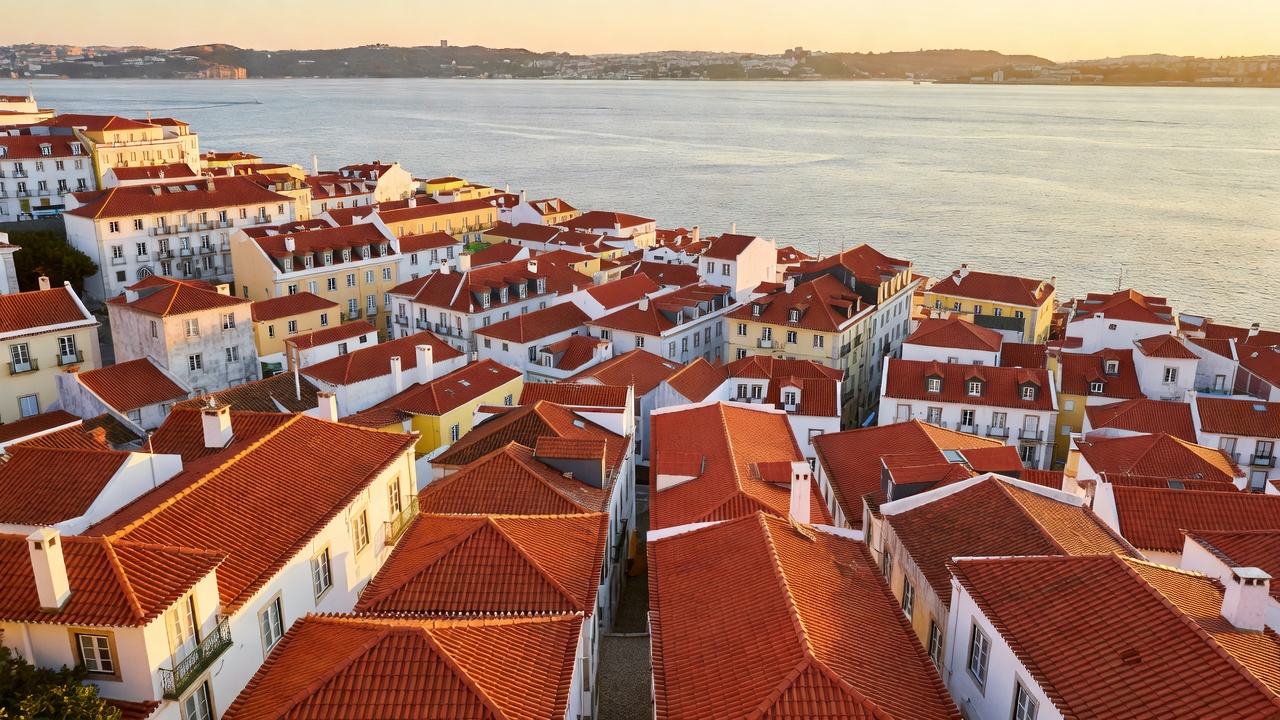
The shape of the city
Lisbon sits on the north bank of the Tejo, near the point where the estuary narrows before it reaches the Atlantic. That geography explains most of the layout. The old quarters — Alfama, Mouraria, Bairro Alto — cling to the slopes above the water. The Baixa, rebuilt on a grid after the eighteenth-century earthquake, fills the flat ground between them. North and west, the nineteenth and twentieth-century city spreads out in broader avenues, and to the east the Parque das Nações district was built on former industrial land in a much more recent idiom.
Across the water sits Almada and the Setúbal peninsula, reached by the long suspension bridge or by ferry. West along the coast, a commuter railway runs to Cascais through Belém and a string of riverside towns. It is worth knowing that this is a metropolitan area, not a single city: plenty of people who say they live in Lisbon actually live twenty minutes down a train line, and the housing arithmetic changes completely once you accept that.
Where newcomers tend to look first
Príncipe Real and Estrela draw people who want to be central, leafy and walkable, and they are priced accordingly. Campo de Ourique is the choice for families who want a neighbourhood feel with schools and a market nearby. Alcântara and Marvila appeal to people who like converted industrial buildings and don't mind being slightly off the tram map. Arroios and Anjos are more mixed and more ordinary in the best sense — the sort of districts where you buy your bread from the same person twice a week. Parque das Nações is flat, modern and easy with a pushchair or a bicycle, which is precisely why some people love it and others find it characterless.
Our honest advice is to rent short and look slowly. The difference between two streets in Lisbon can be a forty-metre climb, an hour of afternoon sun, or a night bus route, and none of that shows up in a listing photograph.
The first weeks of admin
Two things tend to come before everything else: a Portuguese taxpayer number, and a bank account. Almost every subsequent step — a lease, a utility contract, a phone plan — asks for one or both. Landlords generally expect documentation of income and often several months paid up front, which is worth budgeting for as a lump rather than a monthly figure. Registering with the local council and with the health service happens once you have an address.
Rules on residency, registration and tax status change, and they differ sharply depending on whether you hold an EU passport. We won't summarise them here because any summary ages badly. Start with the Portuguese tax authority's own portal at portaldasfinancas.gov.pt and the city's site at lisboa.pt, and take anything involving tax residency to a qualified accountant before you act on it.
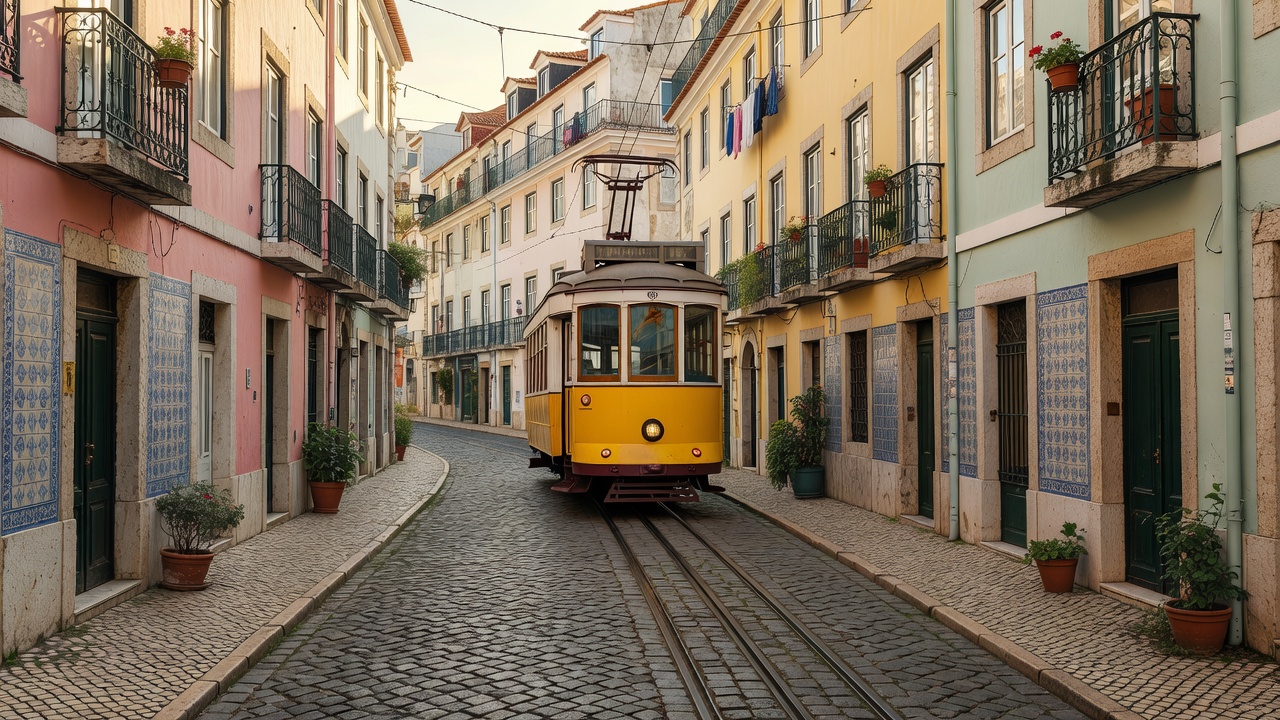
Getting around
The metro is clean and quick but covers the flatter, newer parts of the city best. The historic tram and funicular routes exist because the hills defeat everything else, and they are transport as much as sightseeing. Buses fill the gaps, suburban trains handle the coast and the north, and ferries cross to the south bank. Cycling is a genuine option along the river and increasingly elsewhere, though the gradients and the cobbles argue for electric assistance.
Walking remains the default in the centre, with the caveat that Lisbon's pavements are laid in polished limestone that turns slick in rain. Sensible shoes are not a joke here. The airport is unusually close to the city, which is a real quality-of-life advantage if you travel often — and an equally real noise consideration if you live under an approach path.
The trade-offs
- Housing pressure. Central demand is intense and competition for good long-term leases is the single most common frustration we hear about.
- Winter interiors. Winters are mild by northern European standards but damp, and older buildings were not built for insulation or central heating. Damp walls in February surprise people who came for the sunshine.
- Bureaucratic pace. Appointments, queues and repeat visits are part of the process. Going in with patience and a folder of documents works better than going in annoyed.
- Wages versus costs. Local salary levels are generally below those of northern Europe while central housing costs have risen, which affects people taking a local contract far more than people arriving with income from elsewhere.
- Tourism density. Some of the loveliest districts are also the busiest, and living in one means accepting a permanent flow of visitors past your door.
Who Lisbon tends to suit
People who want a mild climate, a walkable European capital and an easy social entry point in English while they learn Portuguese. It works well for remote workers, for anyone whose life involves frequent flights, and for people who value being near water and light more than they value space. It works less well for those who need a large flat cheaply, who dislike hills, or who want everything settled within a fortnight of landing.