Mexico — central highlands
Mexico City
One of the largest cities in the Americas, sitting high on a plateau ringed by mountains. Newcomers cluster in a handful of central colonias; the rest of the city is vast, entirely Spanish-speaking and far more interesting than the guidebook circuit suggests.
Altitude, basin, scale
Mexico City sits in a high basin well above two thousand metres, surrounded by mountains and volcanoes. The altitude is the first thing that catches people out: stairs feel steeper for a week or two, alcohol behaves differently, and the sun is stronger than the mild air temperature suggests. Most people acclimatise, but it is worth taking the first fortnight gently.
The city was built on the bed of a drained lake system, and that history still shapes daily life. Parts of the centre subside slowly, which is why some old buildings lean; the water supply is a long-running structural challenge; and seismic risk is a genuine planning consideration rather than a theoretical one. None of this makes the city unlivable — millions manage very well — but it does mean you ask different questions about a building here than you would in Berlin.
Administratively the city is divided into boroughs, and within those into colonias, which are the units everyone actually uses in conversation. Ask someone where they live and they will name a colonia, not a borough.
The colonias newcomers gravitate to
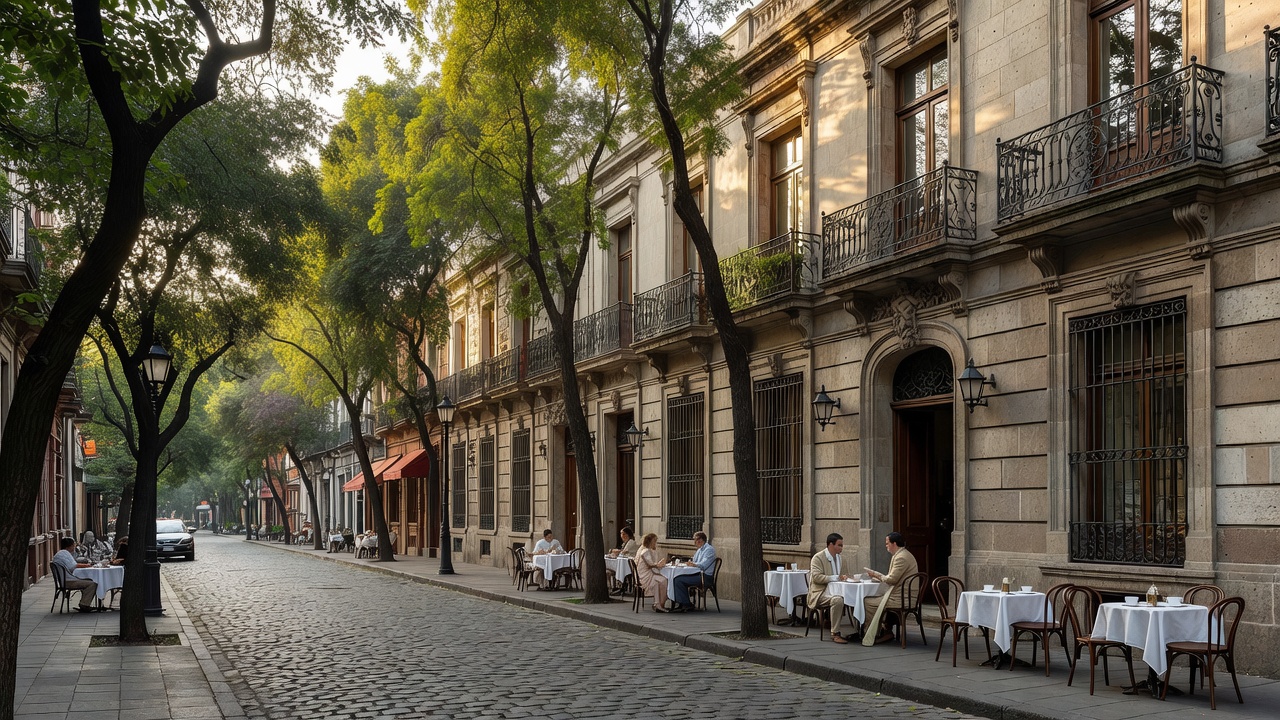
Roma Norte and Condesa are the obvious starting points: leafy, walkable, full of cafés, bookshops and restaurants, and the easiest place to get by initially with limited Spanish. Juárez sits between them and the historic centre and has a similar feel with more of the city's older grain. Polanco is the smart, business-oriented option, closer to museums and corporate offices. Coyoacán and San Ángel in the south are quieter, older and more residential, built around colonial-era plazas. Narvarte, Del Valle and Escandón offer much the same walkability with fewer visitors and generally better value.
We would gently push back on the instinct to lock into Roma or Condesa before you arrive. They are lovely and they are also where the cost premium concentrates. Renting short and spending a couple of months exploring outward usually produces a better decision — and a more interesting one.
Renting and paperwork
Renting in Mexico commonly involves a guarantor arrangement, and the way this works for someone without a local financial history is the single most practical obstacle to overcome. Alternatives exist, including insurance-backed arrangements and furnished lettings aimed at newcomers, but they carry a premium. Read contracts carefully, ideally with someone who reads Spanish legal language fluently.
Residency status, the process for obtaining a temporary or permanent card, and the sequence of consular and in-country steps are all set out by the national migration institute at gob.mx/inm, and city services are listed at cdmx.gob.mx. Requirements differ by nationality and by the route you take, so treat those as your source rather than any summary, and take tax questions to a qualified accountant in Mexico.
Getting around
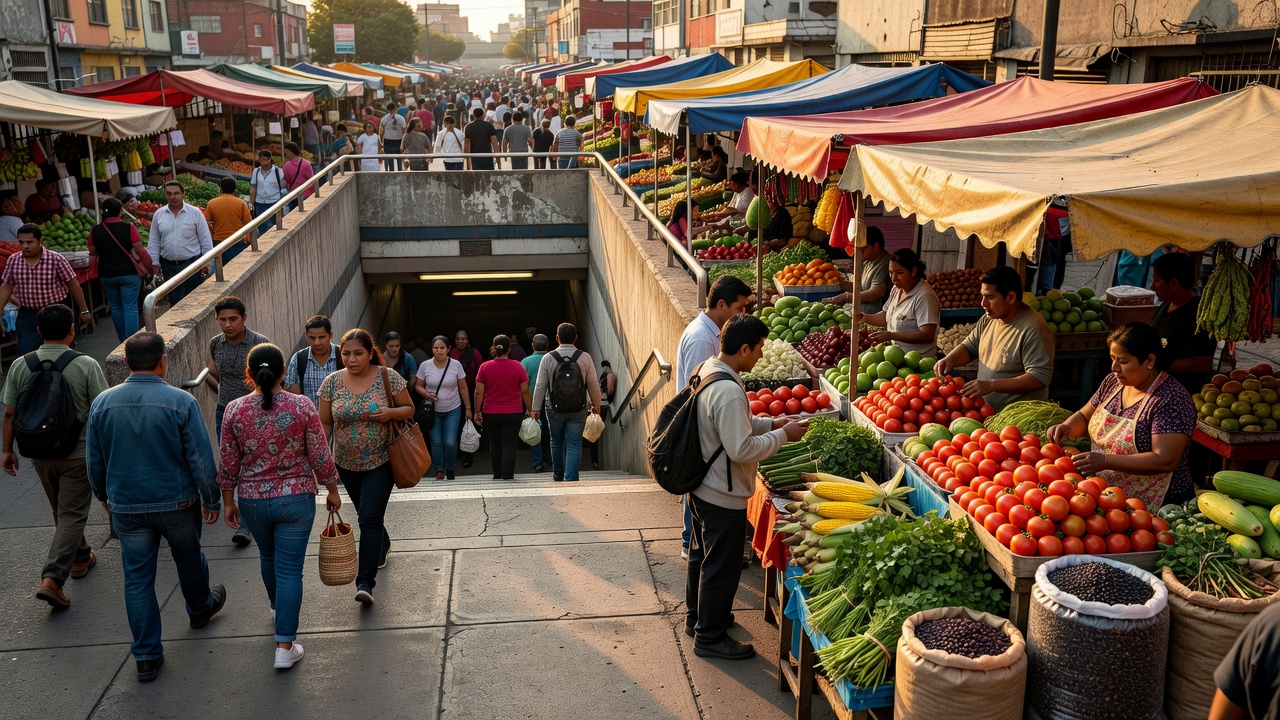
The metro is extensive, inexpensive and busy, complemented by the Metrobús bus rapid transit lines, a large network of smaller buses and a public bicycle scheme that works well across the central colonias. Traffic in the city is heavy and journey times vary enormously by hour, so people who live here plan around it rather than fighting it.
Walking within a colonia is a pleasure; walking between distant ones is usually not, given the scale. Ride-hailing is widely used. Cycling has improved considerably with protected lanes on major avenues, and the flat central districts suit it — the altitude, not the gradient, is what you notice on a bike.
Climate and rhythm
The climate is temperate rather than tropical thanks to the altitude: warm days, cool evenings, and a marked rainy season when heavy afternoon downpours arrive with some regularity before clearing. Carry a layer and something waterproof for the evening even when the morning is bright. Air quality varies with season and weather conditions, and the city publishes monitoring information that residents check the way others check the forecast.
The trade-offs
- Spanish is not optional for long. You can start in English in a few colonias, but everyday life — landlords, doctors, contracts, neighbours — happens in Spanish.
- Scale and traffic. Crossing the city takes real time. Where you live determines your week more than in any other city in this set.
- Seismic and water considerations. Both are part of ordinary planning here. Ask about a building's construction and its water arrangements before you sign.
- Uneven safety geography. Conditions differ sharply between areas and by time of day; local advice and official guidance are worth taking seriously rather than generalising from headlines.
- Pressure on central rents. Demand in the most popular colonias has been rising, and this is a live local debate, not just a newcomer's inconvenience. Worth being a considerate tenant and neighbour.
Who Mexico City tends to suit
People who want a huge, layered, culturally dense capital with extraordinary food, museums and music, and who are willing to learn the language and adapt to the city's rhythms. It works well for remote workers, artists and anyone drawn to a place with genuine depth of history. It works less well for those who need everything in English, who dislike long journeys across a metropolis, or who want a small, tidy city they can learn in a month.